How to Remove Polygel: Safe and Effective Methods
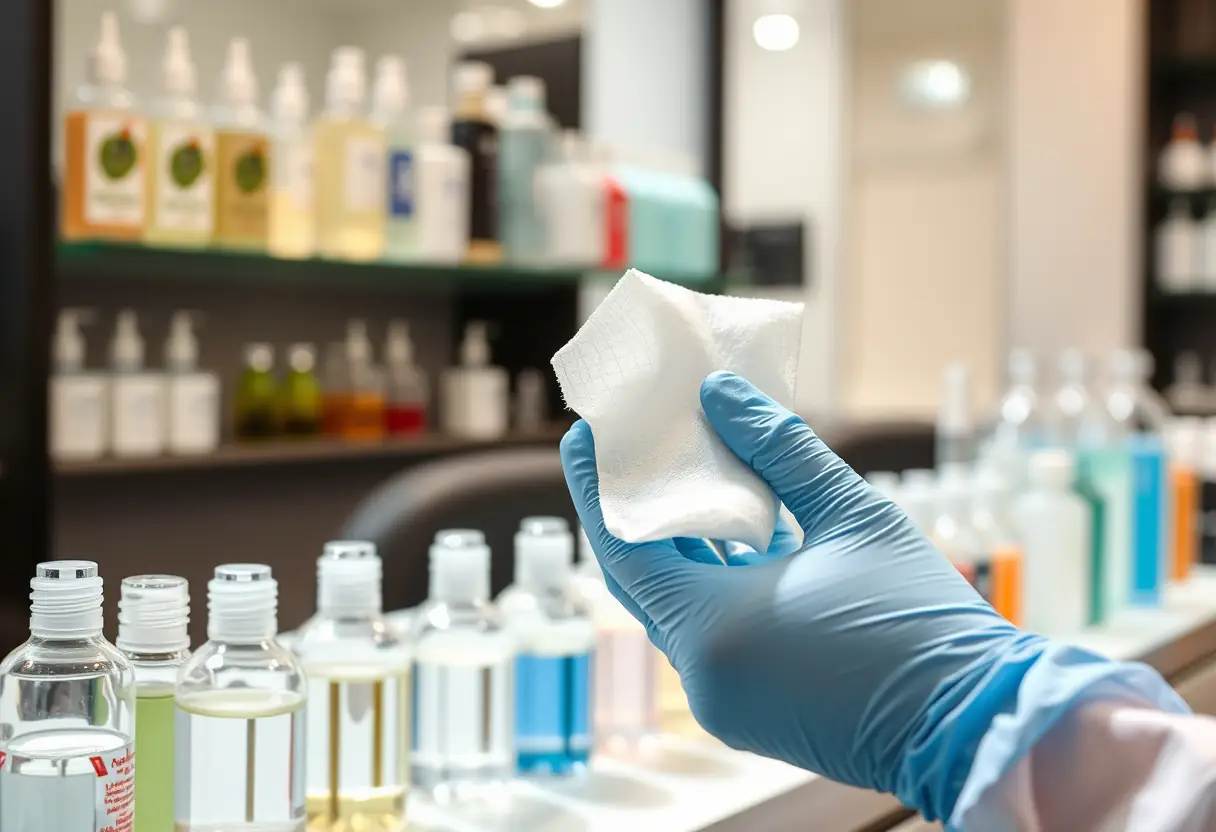
Polygel has revolutionized the nail industry with its lightweight, durable finish. But when it's time for a change, removal can be tricky. Many clients come to my salon in Pont-Remy with damaged nails after attempting DIY removal. That's why I'm sharing my professional technique to remove polygel safely, whether you're at home or booking an appointment at Nails Perfect. In this guide, you'll learn the exact steps, tools, and precautions to preserve your natural nails. No more prying, filing into the nail plate, or soaking in harsh acetone for hours. Let's get your nails healthy and ready for your next set. I've seen too many women in the Somme region struggle with this, so I'm here to set the record straight with expert advice.
Why Proper Polygel Removal Matters
Polygel adheres strongly to the natural nail, which is why improper removal can cause peeling, thinning, and even infections. I've seen clients who tried to rip off their polygel—resulting in layers of nail plate coming off. At Nails Perfect, we prioritize nail health above all. The key is to break down the product's bond without traumatizing the nail bed. When done correctly, your nails will remain strong and ready for a new application. Remember: patience is your best tool. Rushing leads to damage. For example, one client from Abbeville came in after prying off her polygel with a metal tool; her nails were so thin they bent when touched. It took three months of care to restore them. In contrast, a proper soak-off leaves the nail intact, with only slight dehydration that resolves with oil.
In the Somme region, many women come to me after failed home removals. They often ask: "Can I just file it off?" The answer is yes, but only if you know how to avoid over-filing. Let's explore the two main methods: soaking and filing. Each has its place, and I'll help you choose the best for your situation. Remember, your nail health is non-negotiable.
Tools You'll Need for Safe Polygel Removal
Before starting, gather these essentials. Using the right tools makes all the difference. I recommend investing in quality items—they pay off in nail health.
- 100/180 grit file – to break the top seal without damaging the nail. The coarse side removes bulk, the fine side smooths.
- Pure acetone (100% – avoid acetone-free removers). I use a brand called Mia Secret, available online.
- Cotton balls or pads – soaked and placed on each nail. Unraveled cotton balls work best to cover the entire nail.
- Aluminum foil or nail clips – to secure the cotton. Foil is cheap and effective; clips are reusable but can be tight.
- Cuticle oil – to hydrate after removal. I recommend jojoba-based oils for deep penetration.
- Wooden cuticle pusher – to gently lift softened product. Metal pushers can scratch the nail.
- Buffer block – to smooth the nail surface. A 240 grit buffer is ideal.
Optional: a small bowl of warm water to warm the acetone (never heat directly). At the salon, we use professional-grade acetone and electric files for speed, but at home, manual tools work fine. I also suggest having a nail strengthener on hand for post-removal care.
Step-by-Step: How to Remove Polygel by Soaking
This method is the gentlest for natural nails. Follow these steps carefully. I've used this technique on hundreds of clients in Pont-Remy, and it never fails.
- File the top layer: Use a 180 grit file to gently buff the shiny top coat of the polygel. This allows acetone to penetrate. Stop when you see a matte surface—do not file into the natural nail. A good rule: if you see white dust, you're on the product; if you see pink dust, stop.
- Soak cotton in acetone: Saturate cotton balls with pure acetone. Place one on each nail, ensuring full coverage.
- Wrap with foil: Wrap each finger tightly with aluminum foil to keep the cotton in place and prevent acetone evaporation. Make sure it's snug but not cutting off circulation.
- Wait 15-20 minutes: Let the acetone work. You may feel a slight warmth; that's normal. Set a timer—don't guess.
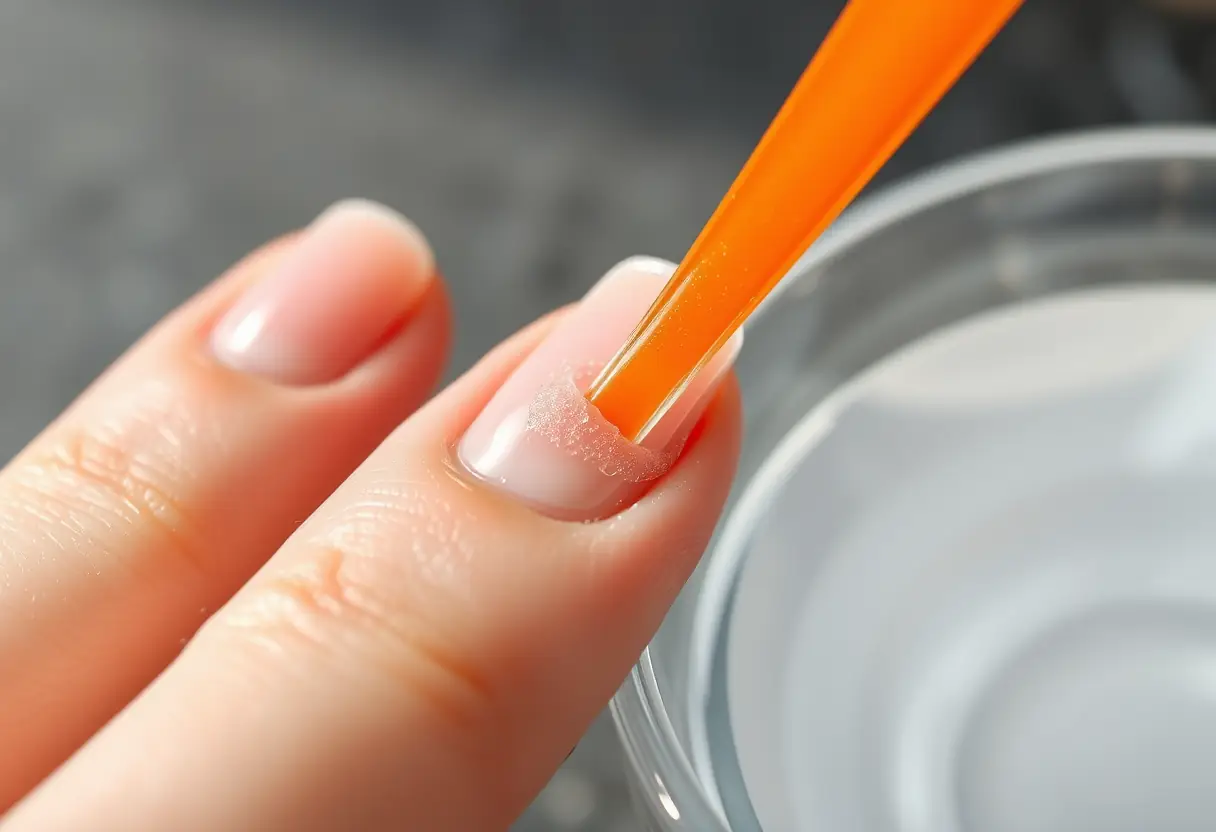
- Check one nail: Unwrap one finger. Use a cuticle pusher to gently scrape the polygel. If it slides off easily, proceed. If not, rewrap and wait 5 more minutes. Never force it.
- Remove all nails: Gently push off the softened polygel. It should come off in flakes. Do not force it. If it's stubborn, soak longer.
- Buff and hydrate: Lightly buff the nail surface with a buffer, then apply cuticle oil generously. Massage it in for a minute.
This method takes about 30 minutes total. At Nails Perfect, we often combine soaking with gentle e-file work for efficiency, especially for thick polygel overlays. For example, a client with a 3-week-old set might need only 15 minutes of soaking after filing down the bulk.
Step-by-Step: How to Remove Polygel by Filing (E-File Method)
For those comfortable with an electric file, this method is faster. I recommend it only if you have experience, as over-filing is easy. At the salon, I use a ceramic bit at low speed. Here's my exact process.
- Step 1: Use a coarse bit (like a barrel) to remove the bulk of the polygel. Keep the file moving to avoid heat buildup. Work in one direction, not back and forth.
- Step 2: Switch to a fine bit (sanding band) near the natural nail. Remove the last thin layer carefully. The nail should look slightly frosted but not shiny.
- Step 3: Stop when you see the natural nail's texture. Do not file the nail plate itself. If you see a smooth, shiny surface, you've gone too far.
- Step 4: Buff with a 240 grit buffer to smooth any residue. A light touch is key.
- Step 5: Apply cuticle oil to rehydrate. I use a vitamin E oil blend.
This method takes about 10-15 minutes. However, I always advise clients to book a professional removal if they're unsure. Damaged nails take months to recover. One client from Amiens tried filing at home and ended up with a hole in her nail; it took six months to grow out.
Common Mistakes to Avoid When Removing Polygel
Over the years, I've seen many mistakes that lead to nail damage. Here are the top ones to avoid. Learn from others' errors.
- Prying or peeling: Never lift the polygel from the edge. This rips the nail plate. I've seen nails split halfway down the bed.
- Using low-quality acetone: Acetone-free removers won't work. Use 100% pure acetone. Store brands often have additives that reduce effectiveness.
- Skipping the filing step: Without breaking the seal, acetone can't penetrate. You'll soak for hours with minimal results.
- Heating acetone: Never microwave acetone. It's flammable and can cause burns. Warm it by placing the bottle in warm water for 5 minutes.
- Over-filing: Filing into the natural nail weakens it. Stop when you see the nail's natural shine. Use a light hand.
- Forgetting aftercare: Nails are dehydrated after acetone. Always apply cuticle oil and hand cream. I recommend doing this every time you wash your hands for a week.
Aftercare for Natural Nails Post-Removal
Once the polygel is off, your nails need extra care. I recommend a 2-week break before a new application to let the nails breathe. During this time, apply cuticle oil at least 3 times a day. Avoid using nails as tools (opening cans, scratching). You can also use a nail strengthener like a keratin treatment. At Nails Perfect, we offer a nourishing paraffin wax treatment that deeply hydrates. Many clients from Pont-Remy book this service after removal. Remember: healthy nails are the foundation of beautiful enhancements. I also suggest taking a biotin supplement to boost nail growth. One client saw a 30% improvement in nail strength after a month of consistent oiling and supplements.
When to Visit a Professional for Polygel Removal
While DIY removal is possible, certain situations call for a salon visit. If your polygel is lifting (creating a gap where bacteria can grow), if you have thin or damaged nails, or if you're short on time, come see me at Nails Perfect. We use medical-grade products and techniques to ensure zero damage. Plus, we can immediately assess your nail health and recommend a new set or a strengthening course. In Pont-Remy, I'm known for my gentle removal technique—clients often say their nails feel stronger after I remove their polygel than before. For example, a bride-to-be came in with lifting polygel; I removed it safely and applied a new set for her wedding, all in one appointment. Professional removal also saves you the hassle of cleanup and ensures proper disposal of acrylic dust.
Comparison: Soaking vs. Filing for Polygel Removal
| Method | Time | Risk Level | Best For | Cost |
|---|---|---|---|---|
| Soaking | 20-30 min | Low | Thin nails, home use | Low (acetone + cotton) |
| Filing (e-file) | 10-15 min | Medium (if inexperienced) | Thick overlays, salon use | High (e-file investment) |
| Combination | 15-20 min | Low | Professional removal | Moderate (salon fee) |
At Nails Perfect, we often use a combination: file off the bulk, then soak the remaining thin layer. This minimizes acetone exposure and speeds up the process. For instance, a client with a thick 4-week-old set might get 10 minutes of filing followed by 10 minutes of soaking. The result is efficient and gentle.
Advanced Technique: Removing Polygel with a Peel-Off Base Coat
Some clients ask about using a peel-off base coat under polygel to make removal easier. While this is possible, it's not recommended for long-term wear. The bond is weaker, so lifting can occur within a week. However, for special events where you want easy removal, it's an option. I've tested it in my salon: apply a peel-off base coat, cure, then apply polygel as usual. Removal involves soaking in warm soapy water for 10 minutes, then gently lifting the entire polygel off. The downside is that the nail may feel oily and require extra prep for the next application. I only suggest this for clients who change their nails frequently. For example, a client who wanted a different look every week loved this method. But for durability, stick to traditional adhesion.
Seasonal Considerations: Removing Polygel in Winter vs. Summer
Believe it or not, the season can affect polygel removal. In winter, nails tend to be drier and more brittle due to cold air and indoor heating. Acetone exposure can exacerbate this, so I recommend shortening soak times to 15 minutes and using a thick cuticle oil beforehand. In summer, humidity can make polygel slightly more pliable, but acetone evaporates faster. Wrap nails tightly to prevent evaporation. Also, in the Somme region, summer activities like gardening or swimming can introduce dirt under lifting edges, so prompt removal is crucial to avoid infection. I advise clients to schedule removal before vacations to prevent complications. For winter, I offer a special hydrating treatment post-removal that includes a warm oil soak. Tailoring removal to the season ensures optimal nail health year-round.
Reservez votre rendez-vous
Pose gel, vernis semi-permanent, baby boomer, nail art : Typhaine vous recoit dans son salon a Pont-Remy.
Reserver via Iara Beauty Appeler le 07 56 82 01 13Questions frequentes
Can I remove polygel with regular nail polish remover?
No, regular nail polish remover contains less acetone and won't effectively break down polygel. Use 100% pure acetone for best results. At Nails Perfect, we use professional acetone that dissolves polygel in 15-20 minutes. If you only have non-acetone remover, it will take over an hour and still leave residue. Always check the label for acetone content.
How long does it take to remove polygel at home?
With the soaking method, expect 20-30 minutes. Filing takes 10-15 minutes if you're experienced. Always allow extra time for stubborn spots. Rushing leads to damage. For thick overlays, you may need up to 40 minutes. I recommend setting a timer and checking progress every 5 minutes after the initial soak.
Will acetone damage my natural nails?
Acetone dehydrates nails, but damage is temporary if you follow up with cuticle oil. Avoid soaking more than 30 minutes. At Nails Perfect, we apply a nourishing serum post-removal. Prolonged exposure can cause peeling, but with proper aftercare, nails recover within a week. I've seen clients with healthy nails after years of proper removal.
Can I remove polygel without acetone?
Acetone is the only effective solvent. Some people try filing entirely, but it's difficult to remove all product without thinning the nail. Professional removal is safer. There are acetone-free removers on the market, but they are not strong enough for polygel. Stick to pure acetone for reliable results.
How often should I remove polygel?
Every 3-4 weeks is ideal to prevent lifting and maintain nail health. I recommend a break of 1-2 weeks between sets to let nails recover. If you wear polygel continuously for months without breaks, nails can become weak and thin. Plan your removal schedule with your nail technician.
What if my nails feel weak after removal?
It's normal for nails to feel slightly flexible after removal. Use a nail strengthener and apply cuticle oil daily. If weakness persists, consult a professional. At Nails Perfect, we offer keratin treatments. Avoid using nail hardeners with formaldehyde, as they can cause brittleness. Opt for a gentle strengthening base coat instead.
Is it safe to remove polygel at home?
Yes, if you follow the correct steps and use the right tools. Avoid prying or peeling. If you have damaged nails or thick overlays, visit a salon. Home removal is safe for healthy nails with thin to medium polygel. Always do a patch test on one nail first to gauge the product's response.
Can I reuse the same polygel after removal?
No, once removed, polygel cannot be reused. The product is cured and will not re-adhere properly. Always use fresh product for new applications. Reusing old polygel can lead to lifting and contamination. Dispose of removed product in the trash, not down the sink.